
From pediatric to adult healthcare
Care beyond
childhood.
Finding adult healthcare can be difficult for young people whose neurologic conditions began in childhood.
An adult team may need experience with a rare condition or the ability to care for someone who needs substantial caregiver support. Families can face this search while school services and other familiar supports are also changing.
Explore the Lifespan Care Bridge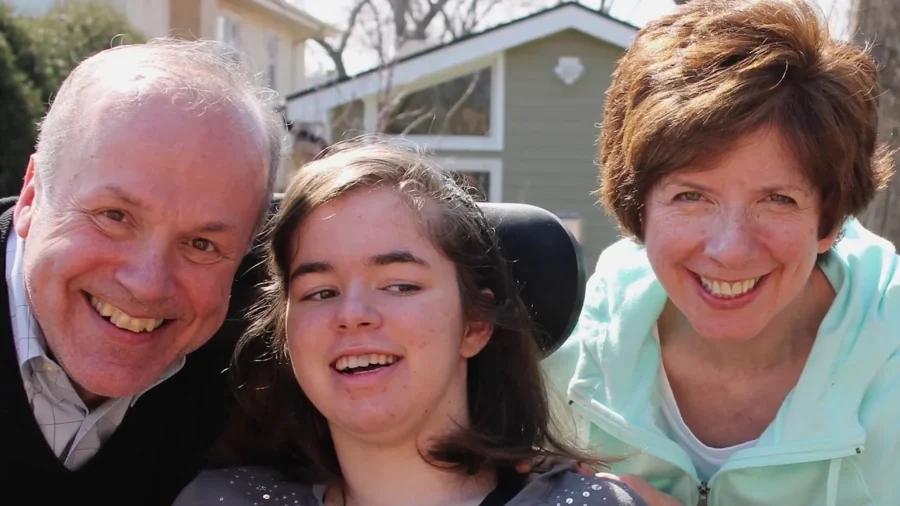

Understanding lifespan care
What does it mean?
Lifespan care, previously called transition of care at CNF, is the process of preparing for and moving from pediatric to adult healthcare. It involves patients, caregivers, and healthcare professionals working together over time, with an approach that reflects each person’s needs.
For the child neurology community, this preparation must account for a wide range of abilities and circumstances. Taking greater responsibility for healthcare will look different for each young adult. Continued caregiver involvement may remain essential.
CNF’s work today
The Lifespan Care Bridge
The Lifespan Care Bridge is CNF’s initiative to improve how healthcare systems support the move from pediatric to adult care.
The Lifespan Care Coalition is one part of this broader work, alongside Centers of Excellence designation and the development of education and mentorship for healthcare teams.
What BRIDGE stands for
- B
- Bringing
- R
- Resources,
- I
- Infrastructure,
- D
- and Design
- G
- to Guide
- E
- Every transition
The problem
Why transition programs can fade
One champion
A program can depend on one clinician. When that person leaves, the work can stop.
Every site is different
A model that works in one health system may not fit another.
The payoff is invisible
Benefits may appear years later or in another part of the healthcare system.
What a lasting program needs
Shared ownership
Pediatric and adult teams, families, and institutional leaders involved in the work.
A fit for each site
An approach built around that setting’s people, tools, and patients.
Visible value
Outcomes and savings that healthcare leaders can recognize and measure.
Lifespan Care Coalition
Led by CNF and the American Academy of Neurology, the coalition brings patients and caregivers together with pediatric and adult healthcare professionals and community organizations. It helps identify shared priorities and shape the Bridge’s work, drawing on what families and care teams encounter as young people move into adult care.
Meet the coalitionLifespan Care Centers of Excellence
CNF has developed criteria for recognizing clinical programs that support care into adulthood. The criteria address how teams coordinate care and involve patients and caregivers in improving it.
The aim is to give families and referring clinicians a way to recognize programs that have demonstrated these practices. CNF is currently reviewing applications from the designation pilot.
Centers of Excellence
Who shaped the criteria
CNF developed the criteria with the partners who know this care firsthand.
- American Academy of NeurologyAAN
- American Epilepsy SocietyAES
- Child Neurology SocietyCNS
- Adult and pediatric clinicians
- Directors of day programming
- Caregivers
- Patient advocacy groupsWith and without established centers
Designing Better Transitions Mentoring Program
CNF is developing a mentoring program to help healthcare teams put transition guidance into practice in their own clinic or health system. Experienced mentors would support teams as they make those changes.
Education for clinicians and families
CNF is developing education on caring for pediatric-onset neurologic conditions in adulthood.
The plans include learning for pediatric and adult healthcare professionals and family-facing information on changes in health coverage or support with healthcare decisions.
Designing Better Transitions
Built on three proven approaches
Human-centered design
Starts with how patients and healthcare professionals experience care.
Design justice
Patients and caregivers help shape the care process as co-designers.
Implementation science
Turns guidance into care practices that fit the setting and can be sustained.
CNF’s Family Support Specialist also works directly with families to help them find services and resources.
Connect with family supportGuidance families and teams can use
CNF’s work in lifespan care
CNF has helped establish guidance for how neurology teams support this process. In 2016, CNF led the development of a consensus statement identifying Eight Common Principles for the transition to adult healthcare.
CNF’s Transition of Care Toolkit gives healthcare teams and families tools to use together, including a transition checklist, self-care assessments, and forms for documenting care plans and medical history. The toolkit is available in English and Spanish. Its integration into Epic also brings these resources into the electronic health record.
Explore the Eight Common Principles
- Expectation of Transition
- Yearly Self-Management Assessment
- Annual Discussion of Medical Condition and Age-Appropriate Concerns
- Evaluation of Legal Competency
- Annual Review of Transition Plan of Care
- Child Neurology Team Responsibilities
- Identification of Adult Provider
- Transfer Complete
Learning from families’ experiences
Our video series adds another perspective: the experiences of young people and their families. Kobe’s and Katie’s stories, alongside conversations with pediatric and adult healthcare professionals, explore the questions that come with preparing for adult care.
What we’re working toward
The goal is for young adults to establish care with an adult healthcare team and remain connected to that care.
CNF’s work addresses the institutional practices and partnerships needed to make that possible, with patients’ and families’ experiences helping guide the changes.
Keep exploring
Lifespan care resources
-
Preparing for adult care
Find tools you can use with your healthcare team to discuss your needs and prepare for the move to adult services.
Resources for Young People and Caregivers -
Supporting patients in your practice
Access CNF’s toolkit and resources for healthcare professionals involved in pediatric and adult care.
Tools for Healthcare Professionals -
Learning from others’ experiences
Hear from Kobe, Katie, and their families, along with professionals who work with young people entering adult healthcare.
Watch the Transition of Care Video Series -
Getting to know the coalition
Learn about the people and organizations contributing to CNF’s lifespan care work.
Meet the Lifespan Care Coalition